Platformer 165 games

Best Classic Platformer Games

The complete collection of 165 vintage platformer games — with full reviews, cheat codes, and trivia.

Platformer Games — Page 4

Sorted by rating
Blaster Master
1988
Blaster Master box art
NES
8.8
1988 · Sunsoft

One of the NES's most ambitious action games, blending side-scrolling tank combat with top-down on-foot dungeon exploration. Blaster Master's SOPHIA III tank handles with remarkable precision, and the transition between vehicle and foot sections creates a seamlessly varied experience that was technically impressive for 1988.

🕹️
Burning Rangers
1998
Burning Rangers box art
SEGA-SATURN
8.8
1998 · Sonic Team

Sonic Team's final Saturn game and one of the platform's technical peaks: futuristic firefighters extinguishing fires and rescuing civilians in procedurally different levels. Burning Rangers pushed Saturn 3D to its limits with the team's characteristic polish and Naofumi Hataya's extraordinary soundtrack, making it both a technical achievement and a genuinely excellent action game.

🔵
Castle of Illusion Starring Mickey Mouse
1990
Castle of Illusion Starring Mickey Mouse box art
SEGA-GENESIS
8.8
1990 · Sega

The Genesis platformer that proved Sega could do Mickey Mouse better than Disney's other platform partners. Castle of Illusion Starring Mickey Mouse is a polished, charming platform adventure across five magical worlds inside a castle, designed to showcase the Genesis hardware and the studio's platformer expertise. One of the best Mickey Mouse games ever made and a model of early 16-bit design.

🔵
Gargoyles
1995
Gargoyles box art
SEGA-GENESIS
8.8
1995 · Buena Vista Interactive

Buena Vista Interactive's 1995 Genesis action-platformer based on the Disney animated series — Gargoyles follows Goliath across eight stages with gliding mechanics, wall-clinging, and combat inspired by the series' dark action tone. One of the best Genesis licensed games and a rare quality title from the console's final years.

Mega Man X5
2000
Mega Man X5 box art
PLAYSTATION
8.8
2000 · Capcom

Capcom's 2000 PS1 action-platformer and the intended conclusion of the Mega Man X series — Mega Man X5 adds a time-limit mechanic threatening destruction of Earth, introduces dual selectable protagonists (X and Zero with substantially different combat systems), and features Axl Rose-inspired boss names in Western localization, making it Keiji Inafune's intended X series finale.

🟦
Mega Man Zero 2
2003
Mega Man Zero 2 box art
GAME-BOY-ADVANCE
8.8
2003 · Inti Creates

Inti Creates sharpens the already-demanding Zero series with an EX Skill system that rewards high-rank mission performance with devastating new techniques, making Mega Man Zero 2 both more accessible and more rewarding for skilled players than its predecessor. The Cyber-Elf customization system, elemental chip weapons, and relentlessly challenging stage design push GBA hardware and player reflexes to their limits in the finest entry of the sub-series.

🟣
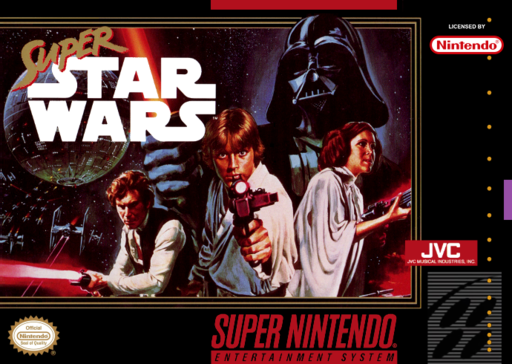
Super Star Wars
1992
Super Star Wars box art
SNES
8.8
1992 · Sculptured Software

JVC's 1992 SNES action-platformer and one of the finest licensed games of the 16-bit era — Super Star Wars faithfully adapts Episode IV: A New Hope through side-scrolling action stages, Mode 7 vehicle sequences (landspeeder, X-Wing, Millennium Falcon), three playable characters (Luke, Han, Chewbacca), and notoriously difficult combat that tested player patience alongside its exceptional Star Wars atmosphere.

🕹️
Wario Land 2
1998
Wario Land 2 box art
GAME-BOY-COLOR
8.8
1998 · Nintendo R&D1

The Game Boy sequel that established Wario as one of Nintendo's most inventive platformer protagonists. Wario Land 2's invulnerability mechanic — Wario can't die, but getting hurt transforms him in useful ways — and its multiple branching story paths through the same levels encouraged complete exploration and replay.

🕹️
Donkey Kong 64
1999
Donkey Kong 64 box art
NINTENDO-64
8.7
1999 · Rare

Rare's ambitious collectathon platformer sent Donkey Kong and four Kong companions through eight enormous worlds in pursuit of 3,821 collectibles. Technically impressive and generously sized, DK64's scope is both its greatest strength and its most criticized aspect — a game of extraordinary content that some consider bloated.

🟣
Mega Man 7
1995
Mega Man 7 box art
SNES
8.7
1995 · Capcom

Capcom's 1995 SNES Mega Man entry — Mega Man 7 is the first mainline Mega Man on Super Nintendo, with eight Dr. Wily robots, Rush Super Adapter combining abilities, a shop system for buying items with bolts, and the first direct confrontation scene between Mega Man and Bass. A substantial SNES upgrade of the NES franchise formula.

🟣
Mega Man X3
1995
Mega Man X3 box art
SNES
8.7
1995 · Capcom

The SNES finale of the original Mega Man X trilogy, introducing the ability to play as Zero and the Ride Armor system. Mega Man X3 features the most complex upgrade paths in the SNES series, with four hidden Ride Armors and a fully playable Zero making the game's secrets among the richest of the era.

🕹️
Ninja Spirit
1990
Ninja Spirit box art
TURBOGRAFX-16
8.7
1990 · Irem

Irem's TurboGrafx-16 port of their 1988 arcade game — Ninja Spirit is a scrolling action game where a ghost ninja battles enemies with five weapon types and a shadow clone system that multiplies combat effectiveness. One of the TurboGrafx-16's most celebrated games and an example of the platform's exceptional arcade port capabilities.

🟦
Sonic Advance 2
2002
Sonic Advance 2 box art
GAME-BOY-ADVANCE
8.7
2002 · Dimps

Dimps' 2002 GBA sequel to Sonic Advance — Sonic Advance 2 features five playable characters (Sonic, Tails, Knuckles, Amy, Cream), new Trick system for aerial maneuvers, and eight zones with faster speed than its predecessor. The middle entry in the GBA Sonic Advance trilogy and the series high point for many players due to its faster pace and character variety.

🟦
Sonic Advance
2001
Sonic Advance box art
GAME-BOY-ADVANCE
8.7
2001 · Dimps

The first Sonic game developed for a Nintendo platform, Sonic Advance brought the blue blur to Game Boy Advance in 2001 with a return to 2D side-scrolling gameplay. Four playable characters (Sonic, Tails, Knuckles, Amy), seven zones with multiple acts each, and tight responsive controls made it the best Sonic game since the Genesis era for many players.

🟣
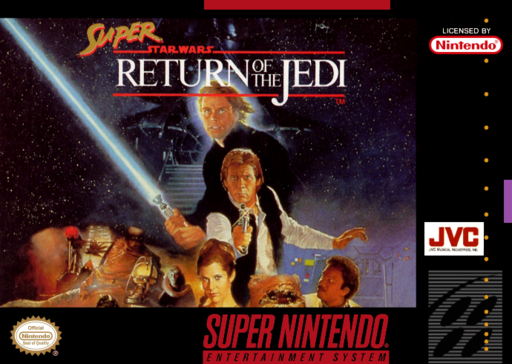
Super Star Wars: Return of the Jedi
1994
Super Star Wars: Return of the Jedi box art
SNES
8.7
1994 · Sculptured Software

JVC's 1994 SNES action-platformer and the conclusion of the Super Star Wars trilogy — Super Star Wars: Return of the Jedi expands the playable roster to four characters (Luke, Han, Leia, Wicket the Ewok), adapts Episode VI's Tatooine desert, Endor forest, and Death Star II locations with Mode 7 vehicle sequences for the speeder bike chase and Millennium Falcon run, and delivers the series' largest character variety.

🔵
Dynamite Heady
1994
Dynamite Heady box art
SEGA-GENESIS
8.6
1994 · Treasure

Treasure's creative Genesis platformer where protagonist Heady throws his detachable head to attack, solve puzzles, or swap with special heads granting unique powers. Dynamite Heady's constant mechanic variation, inventive level designs, and technical achievement make it one of the Genesis's most creative and underrated games.

🟩
Gargoyle's Quest
1990
Gargoyle's Quest box art
GAME-BOY
8.6
1990 · Capcom

Capcom's 1990 Game Boy RPG-platformer hybrid where Firebrand the gargoyle — villain of the Ghosts 'n Goblins series — becomes the hero of his own adventure. Gargoyle's Quest blends overhead RPG-world exploration with side-scrolling action stages and a progression system that grows Firebrand's wings, fire breath, and wall-clinging abilities.