The game that defined the farming simulation genre — restore your grandfather's farm across changing seasons, raise animals, grow crops, court villagers, and balance time in gaming's first truly cozy life-sim.
Best Video Games of 1996
All 39 classic games released in 1996 — with reviews, cheats, and trivia.
1996 Games — Page 2
Sorted by ratingSNK's 1996 Neo-Geo fighting game and the pivotal King of Fighters entry that overhauled the series mechanics — KOF '96 replaced the Rush Combo system with Tactical Order Shifting, introduced the new Orochi Saga storyline that would dominate the series through KOF '98, and refined the three-on-three team format with more arcade-precise controls.
The game that created the rhythm game genre as it exists today. PaRappa the Rapper's 1996 PS1 debut had players pressing buttons in sync with rap music across six stages, each featuring memorable characters and songs. PaRappa himself — a flat paper dog with dreams — became one of gaming's most beloved characters.
The PS1 predecessor to Soulcalibur that introduced weapon-based 3D fighting to PlayStation owners. Soul Blade's Edge Master Mode was an early story-driven fighting game experience that gave each character distinct narrative chapters, and the weapon degradation system added strategic tension to every fight. Released as Soul Edge in Japan.
The competitive scrolling shooter where destroying enemies sends attacks to the opponent's screen. Twinkle Star Sprites' blend of shmup mechanics and versus game theory — managing chain combos, blocking, and sending giant bosses across the split screen — created a wholly unique genre that has never been successfully replicated.
The third DKC entry — Dixie Kong and Baby Kiddy adventure through the Northern Kremisphere with water-heavy stages, multiple overworld paths, and Rare's signature pre-rendered 3D graphics.
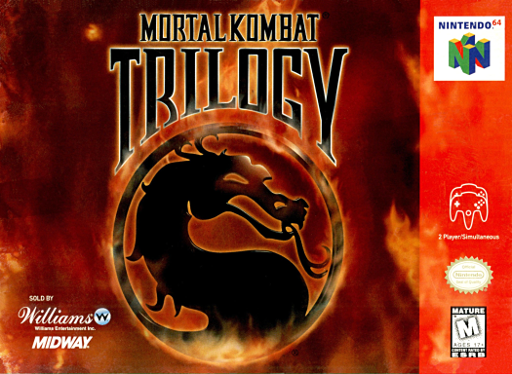
Midway's 1996 compilation and the largest MK roster of the 2D era — Mortal Kombat Trilogy collects every fighter from MK1, MK2, and MK3/Ultimate MK3 into one game (33 fighters including hidden characters), updates the roster with new moves and Kombat Kodes, and delivers the definitive home version of the classic MK on PlayStation and Nintendo 64.
Capcom's 1996 PS1 fighting game and the first Street Fighter Alpha — Street Fighter Alpha: Warriors' Dreams introduces the Alpha counter system, custom combo mechanic, and a roster bridging Street Fighter II and Final Fight characters in the prequel timeline between Street Fighter I and Street Fighter II.
Rare's port of Killer Instinct 2 to Nintendo 64, delivering the full arcade combo system to home consoles in 1996. With its distinctive roster of supernatural and mythological fighters, the Auto Doubles and manual combo system, and the series' trademark announcer calling each Ultra Combo, KI Gold was the fighting game showcase for early N64 owners.
Ancient's Saturn-exclusive action RPG sequel to Beyond Oasis — Leon controls six elemental spirit companions who provide combat assistance, puzzle solutions, and traversal abilities as he uncovers the story in an Arabian Nights setting. The Legend of Oasis pushed Saturn's 2D sprite capabilities to showcase what the hardware could do for the genre.
The N64 launch title that showcased the console's 3D capabilities through flight simulation. Pilotwings 64 gave players free-roaming flight across Little States (a miniature America) using hang gliders, rocketbelts, biplanes, and skydiving equipment — a serene, technical achievement that remains one of the best launch titles in gaming history.
Atlus' 1996 PS1 JRPG — Persona (Revelations: Persona in North America) follows high school students in Mikage-cho invoking Personas — manifestations of the psyche — to fight Shadows in dungeon battles. The franchise's dark psychological beginning, before the social link systems and calendar structure of later Persona games.
One of the N64's most impressive launch-window titles, Shadows of the Empire plunges players into the Expanded Universe story of Dash Rendar across both on-foot third-person combat and space/vehicle combat sequences that showcase the hardware's early potential. The iconic Hoth battle opening — piloting a snowspeeder to trip AT-ATs with tow cables — remains one of the most cinematic moments in N64 history and a landmark achievement for licensed gaming.
BlueSky Software's sequel to their visually stunning mascot shooter sends the pre-rendered CGI robot hero into a post-apocalyptic bug-infested landscape with a wider arsenal of insect-themed morphing power-ups replacing the original's simpler weapon system. Vectorman 2 delivers the same smooth animation and satisfying run-and-gun gameplay that made the original a late-generation Genesis showcase, remaining a technically impressive send-off for Sega's underrated action hero.