Naughty Dog's technically dazzling PlayStation launch platformer introduced the world to the wacky orange marsupial and demonstrated that 3D platforming could be precise, challenging, and visually spectacular. The game that made Sony's console a genuine rival to Nintendo.
Best Classic Action Games
The complete collection of 336 vintage action games — with full reviews, cheat codes, and trivia.
Action Games — Page 7
Sorted by ratingNCS/Masaya's 1992 SNES mech action game — Cybernator (Assault Suits Valken in Japan) puts players in control of a bipedal combat suit fighting through a near-future war with a weapon system including vulcan cannon, missiles, laser, and a powerful shoulder punch. Physics-based movement with momentum and a narrative about military ethics distinguish it from contemporaries.
Electronic Arts' 1992 Genesis helicopter action game — Desert Strike puts players in an Apache helicopter completing military objectives in a Middle East conflict. Fuel management, ammunition conservation, rescuing POWs, and strategic target prioritization across four missions create a game of tactical depth beyond typical arcade shooters.
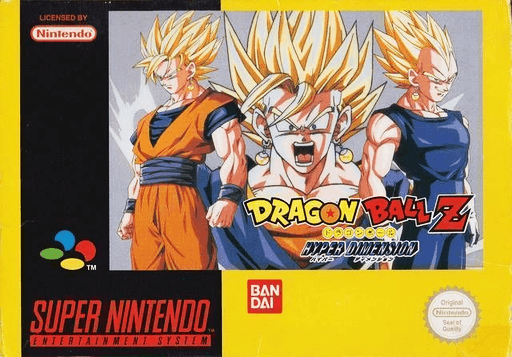
Bandai's 1996 SNES one-on-one fighting game and the final DBZ game on Super Nintendo — Dragon Ball Z: Hyper Dimension features large character sprites pushing SNES hardware limits, aerial combat with characters that can fly across the stage, ki charging system for super attacks, Story Mode following the Cell and Buu sagas, and is considered the finest 2D Dragon Ball Z fighting game of its era.
Capcom's 1993 CPS-1 arcade beat-em-up and the first Dungeons & Dragons licensed game — Tower of Doom established the D&D beat-em-up template with four character classes (Fighter, Elf, Cleric, Dwarf), item management from treasure chests, branching stage routes, four-player simultaneous co-op, and iconic D&D monsters including Beholders and Displacer Beasts, preceding and establishing the structure that Shadow over Mystara perfected.
The definitive home version of Capcom's 1989 arcade classic on Sega CD — Final Fight CD restores the two-player simultaneous mode and Guy character that the SNES version omitted, adds CD audio for the soundtrack, and delivers the complete arcade experience to home hardware. The best home version of Final Fight until the game's later digital re-releases.
Buena Vista Interactive's 1995 Genesis action-platformer based on the Disney animated series — Gargoyles follows Goliath across eight stages with gliding mechanics, wall-clinging, and combat inspired by the series' dark action tone. One of the best Genesis licensed games and a rare quality title from the console's final years.
The middle entry in Quintet's Soul Blazer trilogy — a globe-trotting action RPG following Will's journey through historical wonders (Incan ruins, Great Wall, Nazca Lines) with transformations into two powerful alternate forms.
Capcom's 1994 SNES fantasy beat-em-up — The King of Dragons follows five character classes (Fighter, Dwarf, Cleric, Elf, Wizard) through a medieval quest to defeat the dragon Gildiss. Experience points level up characters, RPG elements enhance the side-scrolling beat-em-up, and two-player co-op adds a companion for the dragon hunt.
Capcom's 1994 SNES Arthurian beat-em-up — Knights of the Round follows Arthur, Lancelot, and Perceval through Medieval England and Camelot's founding, with experience-based leveling that advances character equipment and appearance through seven upgrades per knight. Capcom's most RPG-influenced beat-em-up before The King of Dragons.
Silicon Knights' dark action-adventure casts players as the vampire Kain in a gothic top-down odyssey through the cursed land of Nosgoth, combining Zelda-style exploration with morally complex storytelling far ahead of its time. The game's fully voiced cast, Shakespearean dialogue, and willingness to question whether the protagonist should save or doom the world established Blood Omen as a landmark in mature narrative gaming and launched one of the most acclaimed dark fantasy franchises in PlayStation history.
Capcom's 2000 PS1 action-platformer and the intended conclusion of the Mega Man X series — Mega Man X5 adds a time-limit mechanic threatening destruction of Earth, introduces dual selectable protagonists (X and Zero with substantially different combat systems), and features Axl Rose-inspired boss names in Western localization, making it Keiji Inafune's intended X series finale.
Inti Creates sharpens the already-demanding Zero series with an EX Skill system that rewards high-rank mission performance with devastating new techniques, making Mega Man Zero 2 both more accessible and more rewarding for skilled players than its predecessor. The Cyber-Elf customization system, elemental chip weapons, and relentlessly challenging stage design push GBA hardware and player reflexes to their limits in the finest entry of the sub-series.
The darkest Mega Man game — Zero wakes from cryo-sleep to find a dystopian future where humans and Reploids are at war, with brutal difficulty, a ranking system, and a narrative that treats its characters with unusual gravitas.
The sequel expanded the roster to four characters and introduced the alien transformation mechanic that would define the series. Metal Slug 2's visual spectacle surpassed the original with mummies, tanks, and elaborate boss sequences — though its legendary slowdown was addressed in the bug-fixed Metal Slug X revision.
The SNES two-player overhead shooter starring a shrine maiden and a tanuki — one of the platform's finest cooperative action games. Pocky & Rocky's fluid character movement, clever enemy patterns, and satisfying weapon system made it a cult classic that commanded premium prices for decades before its re-release. Japanese folklore aesthetics in an action game format done brilliantly.
Working Designs' acclaimed Sega CD localization of Falcom's action-RPG featuring bounty hunter Mail. Popful Mail's witty dialogue, three-character party system where players switch between characters mid-battle, and CD-quality voice acting made it one of the most beloved Sega CD exclusives — and a landmark in US game localization quality.
The Dreamcast's definitive Resident Evil experience and the first entry to abandon fixed camera angles for fully 3D environments. Code Veronica's Antarctic setting, complex Ashford family narrative, and dual-protagonist structure made it the most ambitious Resident Evil story to that point.
Jill Valentine vs Nemesis — RE3's titular pursuer is an indestructible bioweapon that can appear in any non-safe room at any time, creating the series' most relentless survival horror experience.
The SNES cyberpunk RPG set in the Shadowrun universe — a completely different game from the Genesis version. Players control Jake Armitage, resurrected street samurai with no memories, in a dystopian Seattle where magic and technology coexist. One of the most narratively unique RPG experiences of the 16-bit era.
Yu Suzuki's open-world narrative game effectively invented the interactive drama genre — Shenmue's Yokosuka setting, fully simulated daily schedules, forklift racing minigame, and obsessive environmental detail created the blueprint for the living-world design philosophy that Grand Theft Auto III would later popularize for mass audiences. Ryo Hazuki's revenge quest against Lan Di unfolds with a patience and deliberateness that remains singular in game design history.
Sony's answer to GoldenEye — Gabe Logan's third-person action-stealth shooter featured a sprawling conspiracy narrative, diverse mission objectives, and over 20 weapons in one of the PS1's best action games.
The Dreamcast's final major Sonic release and the last first-party Sega Dreamcast title. Sonic Adventure 2 split gameplay between speed stages (Sonic/Shadow), shooting stages (Tails/Eggman), and treasure hunting (Knuckles/Rouge), with the Chao Garden providing hundreds of hours of optional content.
The game that brought polygonal 3D into living rooms. Star Fox used the Super FX chip to render unprecedented 3D graphics on SNES hardware, launching one of gaming's most beloved space shooter franchises.