The GBA launch Castlevania that brought the Symphony of the Night formula to handheld — Circle of the Moon introduced the DSS card combo system and proved the Metroidvania formula translated perfectly to portable play.
Games Like Super Mario Advance
12 games similar to Super Mario Advance — handpicked for fans of Platformer and Action games.
Top Games Similar to Super Mario Advance
| Feature | Platform | Year | Score | Genre |
|---|---|---|---|---|
| Castlevania: Circle of the Moon | GAME-BOY-ADVANCE | 2001 | 8.9 | Action, Platformer |
| Castlevania: Harmony of Dissonance | GAME-BOY-ADVANCE | 2002 | 8.5 | Action, Platformer |
| Kirby & the Amazing Mirror | GAME-BOY-ADVANCE | 2004 | 8.6 | Platformer, Action |
| Kirby: Nightmare in Dream Land | GAME-BOY-ADVANCE | 2002 | 8.5 | Platformer, Action |
| Mega Man Zero 2 | GAME-BOY-ADVANCE | 2003 | 8.8 | Action, Platformer |
| Mega Man Zero 4 | GAME-BOY-ADVANCE | 2005 | 9 | Action, Platformer |
All 12 Games Like Super Mario Advance
The second GBA Castlevania — Harmony of Dissonance follows Juste Belmont through two parallel castle sub-dimensions simultaneously, with a furniture decoration system, boss rush mode, and spell book combinations adding depth.
HAL Laboratory's 2004 GBA Kirby game with a unique open-world Metroidvania structure — instead of linear stages, the Amazing Mirror world is a single interconnected map of ten areas accessible in non-linear order, requiring Kirby to backtrack with new abilities to reach previously inaccessible sections. Features four-player simultaneous multiplayer via Game Boy Advance link cable with four Kirbys of different colors.
The GBA remake of Kirby's Adventure — updated graphics, new minigames, and four-player capability made this the definitive classic Kirby experience on portable hardware.
Inti Creates sharpens the already-demanding Zero series with an EX Skill system that rewards high-rank mission performance with devastating new techniques, making Mega Man Zero 2 both more accessible and more rewarding for skilled players than its predecessor. The Cyber-Elf customization system, elemental chip weapons, and relentlessly challenging stage design push GBA hardware and player reflexes to their limits in the finest entry of the sub-series.
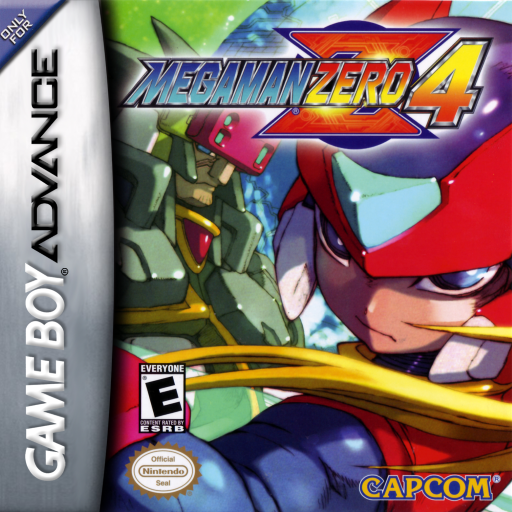
Inti Creates' 2005 GBA action-platformer and the final chapter of Zero's story — Mega Man Zero 4 concludes Zero's four-game narrative arc with Dr. Weil's satellite cannon threatening Area Zero, introduces the EX Skill weather system where environmental conditions affect which abilities are available, and delivers a bittersweet ending that resolved the Zero series' long-running human-Reploid conflict.
The darkest Mega Man game — Zero wakes from cryo-sleep to find a dystopian future where humans and Reploids are at war, with brutal difficulty, a ranking system, and a narrative that treats its characters with unusual gravitas.
Inti Creates' 2004 GBA action-platformer and the peak of the Mega Man Zero series — Mega Man Zero 3 refines the Z-Saber combat, introduces Cyber Elf fusion bonuses, expands the boss roster with the Dark Elf storyline, and is widely considered the most mechanically complete Zero series entry before the fourth game's conclusion.
The definitive remake of Metroid 1 — Zero Mission retells Samus's original mission with modern Metroidvania level design, then extends the story beyond the original ending in a surprising Space Pirate stealth sequence.
The rarest and most beloved GBA action game, Ninja Five-O is a supremely polished ninja platformer where Joe Osugi uses grappling hooks, shurikens, and sword attacks to save hostages from terrorists. Limited production run made it one of the most valuable GBA cartridges; the gameplay earns every cent of its collector price.
Dimps' 2002 GBA sequel to Sonic Advance — Sonic Advance 2 features five playable characters (Sonic, Tails, Knuckles, Amy, Cream), new Trick system for aerial maneuvers, and eight zones with faster speed than its predecessor. The middle entry in the GBA Sonic Advance trilogy and the series high point for many players due to its faster pace and character variety.
The first Sonic game developed for a Nintendo platform, Sonic Advance brought the blue blur to Game Boy Advance in 2001 with a return to 2D side-scrolling gameplay. Four playable characters (Sonic, Tails, Knuckles, Amy), seven zones with multiple acts each, and tight responsive controls made it the best Sonic game since the Genesis era for many players.